Baseball has always been a game built on numbers, timing, and precision. In recent years, pitch speed analysis has become one of the biggest parts of player evaluation. Coaches, scouts, analysts, and fans now study velocity trends almost as closely as batting averages. A pitching velocity chart helps organize these numbers in a way that makes performance easier to understand. It gives context to how hard pitchers throw and how those speeds compare across levels of competition. Velocity alone does not decide success, but it strongly influences how hitters react. Fast pitches reduce reaction time and force quicker decisions. Pitch speed also affects pitch movement and deception. Modern baseball analysis uses velocity data together with spin rate, release point, and location. That is why understanding a pitching velocity chart matters for anyone following player development or game strategy.
Why Pitch Velocity Matters in Modern Baseball
Pitch velocity has become one of the clearest indicators of pitching potential. Scouts often notice fast throwers before refining mechanics or command. A pitcher who throws harder usually attracts more attention because velocity creates pressure on hitters. Even a small increase in speed can change how effective a pitch feels at the plate. A pitching velocity chart helps show how pitch speeds vary across age groups and competition levels. Youth pitchers may average much lower velocities than professional players, but the chart provides realistic benchmarks. This prevents unrealistic expectations and helps coaches focus on gradual development instead of unsafe throwing habits. Velocity also impacts pitch sequencing. A fast fastball can make slower breaking pitches appear sharper. This relationship between speed and timing is why teams monitor pitch speed closely during games and training sessions.
How Hitters React to High Velocity
Hitters have only fractions of a second to recognize the pitch type, judge the location, and decide whether to swing. Higher pitch speeds reduce reaction windows and force earlier swing commitments. This often leads to weak contact or missed swings. A pitching velocity chart helps explain why certain velocity ranges are considered elite because the difference between 90 and 95 miles per hour can completely change a hitter’s timing and confidence at the plate.
Why Scouts Prioritize Pitch Speed
Professional scouts often view velocity as a skill that cannot easily be taught later. Mechanics and pitch control can improve through coaching, but natural arm strength is harder to develop. A pitching velocity chart helps scouts compare prospects against typical standards for their age and league. Pitchers with above-average speed usually receive more development opportunities because teams believe other skills can be refined over time.
Understanding the Structure of a Pitching Velocity Chart
A pitching velocity chart organizes pitch speeds into ranges based on factors such as age, league level, and pitch type. Most charts separate data into categories like youth baseball, high school, college, minor leagues, and Major League Baseball. This structure helps players and coaches compare performance accurately. The chart also highlights average and elite velocity ranges. Average numbers show where most pitchers fall, while elite ranges indicate professional-level potential. A pitching velocity chart can reveal whether a pitcher is progressing normally or falling behind expected development standards. Pitch type matters as well. Fastballs usually appear at the top end of the chart, while curveballs and changeups sit lower. The speed difference between pitches often matters more than pure velocity because variation disrupts hitter timing.
Average Velocity Ranges by Age
Young pitchers naturally throw slower because their bodies are still developing. As strength, coordination, and mechanics improve, velocity increases gradually. A pitching velocity chart helps parents and coaches understand realistic growth expectations. Comparing players against appropriate age ranges prevents unnecessary pressure and promotes healthier training habits during development years.
Differences Between Amateur and Professional Charts
Amateur baseball charts focus more on progression and physical growth, while professional charts emphasize competitive benchmarks. Minor league and major league charts include tighter ranges because the talent gap becomes smaller at higher levels. A pitching velocity chart at the professional level often highlights how even small velocity increases can separate average pitchers from elite performers.
Average Fastball Velocities by Competition Level
Pitch speeds rise steadily as players gain strength, improve mechanics, and receive better training. Younger players often throw in the 40 to 60 mile per hour range, while elite professionals may exceed 100 miles per hour. A pitching velocity chart gives clear benchmarks that reflect these stages of development. In youth baseball, command and mechanics matter more than velocity. Coaches who focus too heavily on speed at an early age sometimes increase injury risk. By high school, pitchers who consistently throw above-average speeds often attract college attention. College baseball becomes more competitive because many pitchers now reach the upper 80s and low 90s. Professional baseball represents the highest level of velocity development. Major league pitchers regularly throw harder than previous generations due to improved conditioning, data analysis, and training methods. A pitching velocity chart makes these trends easy to compare over time.
The Role of Mechanics in Pitch Speed Development
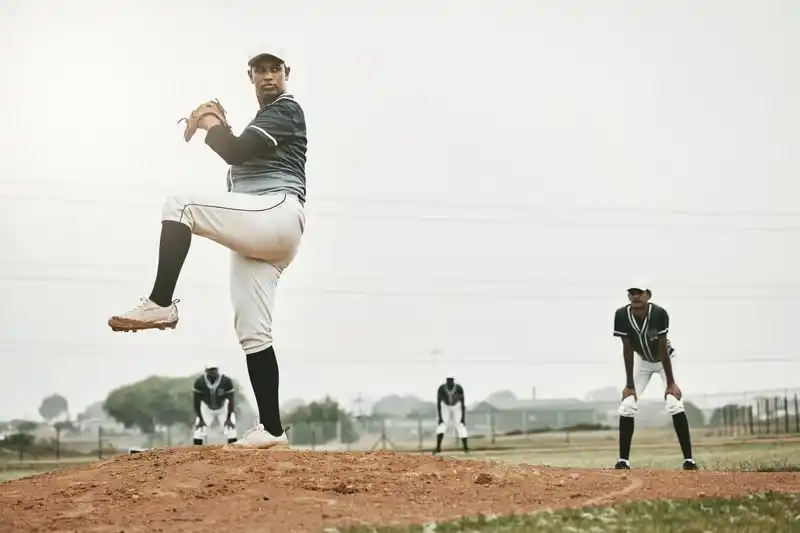
Pitch velocity depends heavily on throwing mechanics. Efficient movement allows pitchers to transfer energy from the lower body through the arm without unnecessary strain. Poor mechanics reduce speed and increase injury risk. A pitching velocity chart may show slow progress if mechanics limit energy transfer. Proper mechanics involve balance, timing, hip rotation, and arm path coordination. Coaches often analyze video footage frame by frame to identify weak areas. Small mechanical improvements can sometimes increase velocity without additional strength training. Consistency matters just as much as raw power. A pitcher who repeats mechanics well usually develops better command and long-term durability. That balance between speed and efficiency separates sustainable performance from short-term gains.
Lower Body Power and Velocity
Pitching velocity starts from the ground up. Strong legs and proper hip rotation create momentum that transfers through the body into the throwing arm. Pitchers who rely only on arm strength often struggle with both velocity and endurance. A pitching velocity chart sometimes reveals plateaus that are actually caused by weak lower body mechanics rather than arm limitations.
Arm Action and Release Point
Smooth arm action helps pitchers maintain both speed and control. The release point affects how the pitch travels and how hitters perceive it. Inconsistent release mechanics can reduce velocity and increase stress on the shoulder or elbow. Coaches frequently study arm movement closely when evaluating long-term pitching development.
Strength Training and Conditioning for Velocity
Modern baseball training places major emphasis on athletic development. Strength training helps pitchers generate more force from the legs and core. Mobility exercises improve movement efficiency and reduce physical restrictions. A pitching velocity chart often reflects how conditioning programs affect performance over time. Pitchers now use targeted exercises instead of generic workouts. Rotational strength, shoulder stability, and explosive lower body movements receive special attention. Recovery routines are equally important because overtraining can reduce performance and increase fatigue. Conditioning programs also include throwing progression plans. Pitchers build arm strength gradually to avoid excessive stress. Teams carefully track workloads throughout the season to protect long-term health.
The Relationship Between Velocity and Injury Risk
Higher velocity often places more stress on the arm. As pitchers throw harder, the elbow and shoulder absorb greater force. This is why teams monitor workload closely. A pitching velocity chart may reveal sudden spikes in speed that could indicate risky mechanical changes or overexertion. Young athletes face particular risk because their bodies are still developing. Throwing too hard too often can lead to serious injuries. Coaches now encourage balanced development rather than chasing velocity at all costs. Proper rest and recovery are essential parts of safe training. Professional baseball has also increased its focus on injury prevention. Teams use biomechanical analysis and workload tracking to reduce stress. While velocity remains valuable, durability matters just as much for long-term success.
Common Injuries Linked to Overthrowing
Pitchers who consistently throw at maximum effort can develop elbow ligament injuries, shoulder inflammation, and muscle strain. Younger players are especially vulnerable because growth plates are still forming. A pitching velocity chart should be viewed as a development guide, not a reason to push athletes beyond safe limits during training or competition.
Importance of Recovery and Rest
Recovery is a major part of performance. Pitchers need proper sleep, hydration, mobility work, and rest between outings. Without recovery, fatigue can damage mechanics and increase injury risk. Teams now treat recovery routines as seriously as bullpen sessions because long-term health affects both velocity and consistency.
How Technology Changed Pitch Speed Analysis
Technology transformed baseball evaluation. Radar guns once provided basic velocity readings, but modern systems now collect detailed performance data. High-speed cameras and motion tracking systems analyze release points, spin rates, and movement patterns. A pitching velocity chart today includes far more context than it did decades ago. Statcast and similar systems allow teams to measure every pitch with precision. Coaches can identify trends that were once impossible to detect. Pitchers now receive immediate feedback during practice sessions, making adjustments faster and more effective. Fans also benefit from this technology. Broadcasts regularly display pitch speeds and movement statistics during games. This has made advanced baseball analysis more accessible to casual audiences.
Comparing Velocity Across Different Pitch Types
Not all pitches are designed for maximum speed. Fastballs usually appear at the top of a pitching velocity chart because they rely heavily on power. Breaking pitches and off-speed pitches work differently. Their effectiveness depends more on deception and movement. A strong velocity gap between pitches can confuse hitters. For example, a fastball in the mid 90s followed by a changeup in the low 80s forces dramatic timing adjustments. Curveballs and sliders may not match fastball speeds, but their movement creates difficulty in other ways. Pitchers who balance velocity with movement often achieve the best results. Throwing hard matters, but mixing speeds effectively can be even more valuable during long games.
Fastballs Versus Off-Speed Pitches
Fastballs challenge hitters with speed, while off-speed pitches disrupt timing. The combination of both creates unpredictability. A pitching velocity chart helps pitchers understand how much separation between pitch speeds can improve effectiveness and keep hitters uncomfortable throughout an at-bat.
The Value of Pitch Sequencing
Pitch sequencing involves choosing pitches strategically based on hitter tendencies and game situations. Even average velocity can become more effective when paired with intelligent sequencing. Pitchers who mix speeds and locations successfully often outperform players who rely only on pure throwing power.
Conclusion
Pitch speed analysis has become a central part of modern baseball. A pitching velocity chart helps players, coaches, and fans understand how velocity connects to performance, development, and strategy. It provides valuable benchmarks while also revealing trends in player growth. At the same time, velocity is only one piece of the puzzle. Mechanics, conditioning, command, and decision-making all influence success on the mound. The best pitchers use speed as part of a larger skill set rather than relying on it alone. Understanding these relationships makes baseball analysis more meaningful and gives a deeper appreciation for the complexity of pitching performance.