Autograph collecting is a thrilling hobby that connects fans with their favorite athletes and celebrities. Whether you’re a die-hard sports fan or simply appreciate signed memorabilia, knowing how to start and maintain a collection can enhance your experience. This guide offers essential autograph collecting tips that will help beginners navigate the exciting world of sports memorabilia.
In this blog post, we will explore various aspects of autograph collecting, from understanding the basics to ensuring authenticity. We will discuss how to start your collection, the best practices for preserving signed items, and tips for engaging with other collectors. By the end of this guide, you will have the knowledge and confidence to dive into the world of autograph collecting.
Understanding Autograph Collecting
The Appeal of Autographs
Autographs carry a unique charm. They represent a personal connection to famous individuals, especially athletes who inspire fans through their achievements. Collecting signed items allows fans to own a piece of sports history. Each autograph tells a story, making it a tangible reminder of memorable moments in sports.
For many collectors, obtaining an autograph is about more than just the signature itself. It’s about the experience of meeting an athlete, attending an event, or simply celebrating a shared passion for sports. This emotional connection enhances the value of each signed item, making autograph collecting a deeply fulfilling hobby.
The Different Types of Autographs
There are various types of autographs you can collect, each with its own appeal. Some collectors focus on signed photographs, while others prefer autographed jerseys or balls. Here are some common types of signed memorabilia:
Photographs: These are popular items, often featuring iconic moments or portraits of athletes.
Jerseys: Signed jerseys hold significant value, especially if they belong to star players.
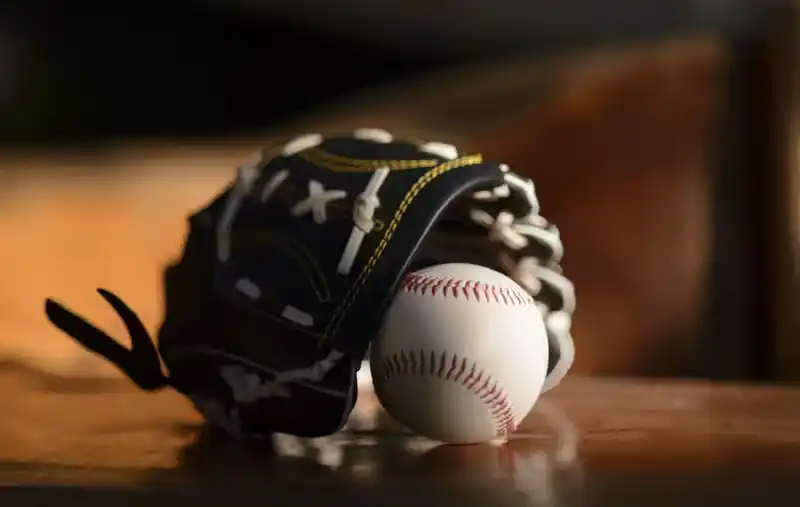
Baseballs, Footballs, and Pucks: These items are often signed during games or events, making them special keepsakes.
Cards: Autographed trading cards are collectible and can appreciate in value over time.
Posters and Programs: Signed posters or game programs can also be valuable additions to your collection.
Understanding the various types of autographs can help you focus on what you want to collect. This clarity will guide your decisions as you start building your collection.
Getting Started with Autograph Collecting
Setting Your Goals
Before diving into autograph collecting, it’s essential to set clear goals. Determine what you want to achieve with your collection. Are you looking to collect signatures from a specific sport, team, or player? Establishing these goals will help you stay focused and make informed decisions as you build your collection.
Consider whether you want to collect autographs for personal enjoyment or investment purposes. If you aim to invest, researching which players and items are likely to appreciate can guide your purchases. Setting these goals early on will shape your collecting journey.
Researching Your Favorite Athletes
Once you have your goals in mind, research your favorite athletes. Learn about their careers, achievements, and any significant moments that may influence the value of their autographs. Understanding an athlete’s impact can help you appreciate the significance of their signed items.
Follow sports news, watch games, and engage in fan communities to stay updated on your favorite players. This knowledge will enhance your collecting experience and allow you to make more informed decisions.
Choosing the Right Items to Collect
As a beginner, it’s important to choose items that resonate with you. Start with pieces that have personal significance, whether it’s a signed ball from your favorite team or a photograph of a cherished athlete. These items will hold more value to you, making your collection feel more meaningful.
As you gain experience, you can expand your focus to include rare or high-value items. Always consider the authenticity and condition of the items, as these factors significantly impact value.
Where to Find Autographs
Attending Events
One of the most exciting ways to collect autographs is by attending live events. Sports games, signings, and fan festivals provide opportunities to meet athletes and obtain their signatures. Be prepared with your items, such as jerseys or photographs, and arrive early to secure a good spot in line.
During events, engage with fellow fans and collectors. Networking can lead to valuable tips and insights about upcoming signings or events. Remember to be respectful and patient, as athletes may have a busy schedule.
Online Platforms
The internet has transformed autograph collecting, making it easier than ever to find signed items. Numerous online marketplaces specialize in sports memorabilia. Websites like eBay, SportsMemorabilia.com, and Fanatics offer a wide range of autographed items.
When purchasing online, always check the seller’s reputation and read reviews. Look for certificates of authenticity (COAs) to ensure the items are genuine. While online shopping can be convenient, it’s essential to approach it with caution to avoid counterfeit items.
Auctions and Memorabilia Stores
Auctions can be an excellent way to find rare autographed items. Many auction houses specialize in sports memorabilia, showcasing high-value items. Participating in these auctions can yield great finds, but be prepared to bid against other collectors.
Local memorabilia stores are another option for finding signed items. These shops often carry a selection of autographs, ranging from affordable pieces to high-end collectibles. Building a relationship with local store owners can lead to exclusive opportunities or insider knowledge about upcoming signings.
Ensuring Authenticity
Understanding Certificates of Authenticity
When collecting autographs, authenticity is crucial. One of the best ways to verify an autograph’s legitimacy is through a certificate of authenticity (COA). A COA is a document that certifies the autograph was obtained legally and is genuine. Always look for items that come with a reputable COA.
Be cautious, as not all COAs are created equal. Research the issuing company and ensure they have a solid reputation in the industry. A COA from a well-known authentication service adds value and reassures you about the item’s authenticity.
Recognizing Counterfeit Signatures
Unfortunately, the market is flooded with counterfeit autographs. As a collector, you must learn to recognize signs of forgery. Familiarize yourself with the athlete’s typical signature style, including the flow and unique characteristics.
When purchasing autographs, look for inconsistencies in the signature. Compare the item with verified examples to spot any discrepancies. If you’re ever in doubt, seek advice from experienced collectors or professionals who can help verify authenticity.
Care and Preservation of Autographed Items
Proper Storage Techniques
Once you start collecting autographs, it’s essential to protect your items. Proper storage will ensure their longevity and value. Store signed photographs and jerseys in protective sleeves or frames to prevent damage. Avoid exposing items to direct sunlight, as this can fade signatures over time.
For items like signed baseballs or footballs, consider using display cases. These cases not only protect the items from dust and handling but also allow you to showcase your collection. The right storage techniques will keep your autographs in excellent condition for years to come.
Regular Maintenance
Regular maintenance is crucial for preserving your collection. Check on your items periodically to ensure they remain in good condition. Dust display cases and clean frames gently to prevent buildup. If you notice any signs of deterioration, take immediate action to address the issue.
Consider investing in climate-controlled storage for high-value items. Fluctuations in temperature and humidity can damage autographed items, so keeping them in a stable environment helps preserve their integrity.
Engaging with the Collecting Community
Joining Collector Groups
Engaging with fellow collectors can enhance your autograph collecting experience. Joining collector groups, whether online or in-person, allows you to share insights, trade items, and discover new opportunities. Many groups host events, signings, and showcases that can enrich your collecting journey.
Social media platforms are excellent places to connect with other collectors. Follow pages dedicated to autograph collecting and participate in discussions. These interactions can lead to valuable friendships and collaborations.
Attending Conventions and Shows
Conventions and memorabilia shows are fantastic venues for collectors. These events often feature guest athletes, signings, and opportunities to meet fellow fans. Attending conventions allows you to immerse yourself in the collecting culture and learn from experienced collectors.
When attending these events, be open to networking. Engage with vendors and fellow attendees to share experiences and gather tips. You may discover new collecting strategies or find items you’ve been searching for.
The Value of Autograph Collecting
Personal Satisfaction
Beyond monetary value, autograph collecting offers immense personal satisfaction. Owning signed items that connect you to your favorite athletes creates a sense of fulfillment. Each autograph represents a shared passion and a moment in time that resonates deeply with you.
The thrill of obtaining a coveted autograph can be exhilarating. Whether it’s through an event, an online purchase, or a trade, each new addition to your collection brings joy and excitement. This emotional connection is what makes autograph collecting a rewarding hobby.
Investment Potential
While many collectors focus on personal enjoyment, it’s worth considering the investment potential of autographs. Some signed items can appreciate over time, particularly those associated with legendary athletes or significant events. Researching market trends can help you identify items that may increase in value.
However, it’s essential to approach autograph collecting as a hobby first and an investment second. The enjoyment you derive from your collection should be the primary motivation. If you happen to discover valuable items along the way, consider it a bonus.
Conclusion
Autograph collecting is a fulfilling hobby that connects fans to their favorite athletes and moments in sports history. By following these autograph collecting tips, you can build a meaningful collection that reflects your passions. From understanding authenticity to engaging with the collecting community, each step will enhance your experience.
As you embark on your autograph-collecting journey, remember to enjoy the process. The thrill of discovery and the connections you make along the way are what make this hobby truly special.
FAQs
1. What should I look for when starting an autograph collection?
When starting an autograph collection, focus on items that resonate with you personally. Research your favorite athletes and consider their significance in sports. Set clear goals for your collection, whether it’s specific players or types of memorabilia.
2. How can I ensure the authenticity of an autograph?
To ensure authenticity, always look for a certificate of authenticity (COA) from a reputable source. Familiarize yourself with the athlete’s signature style to spot inconsistencies. If in doubt, consult experienced collectors or professionals for verification.
3. What are the best storage methods for signed items?
Store signed items in protective sleeves, frames, or display cases to prevent damage. Avoid direct sunlight and high humidity to maintain their condition. Regularly check your collection and clean display areas to keep everything in good shape.
4. Where can I find autographs for my collection?
You can find autographs at live events, online marketplaces, auctions, and memorabilia stores. Each source offers unique opportunities, so explore various avenues to discover signed items that interest you.
5. Is autograph collecting a good investment?
While many collect for personal enjoyment, some signed items can appreciate, especially those linked to legendary athletes. Research market trends and focus on items that excite you, treating potential investment value as a bonus.